Antenna decides more than the station
There is little difference between two decent stations of the same class. The difference between a good and a bad antenna is twofold and noticeable immediately. Therefore, when a complaint is “poorly heard”, the antenna-feeder tract is first checked, not the device.
The antenna works in the same way in both directions. If it does not radiate well, it does not receive well, and this is a convenient sign: one-sided complaints almost always mean a malfunction in the station, two-sided complaints in the tract.
The main property of the antenna is not the length or number of decibels in the description, but the agreement with the path at the operating frequency. An uncoordinated antenna reflects power back to the transmitter, and the transmitter reduces power while defending itself.
This is checked by measurement, not by hearing. The device for control of coordination is inexpensive and pays off on the first installation.
VHF: Short antenna and its ground
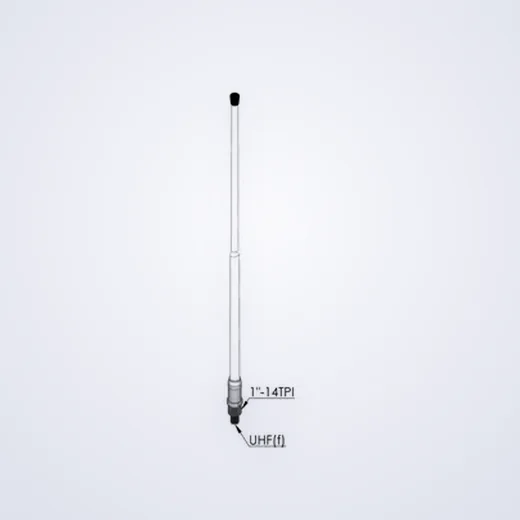
A quarter-wavelength pin antenna only works together with the conductive surface under the base. On a metal ship, it is a hull or cabin, and the antenna is placed directly on them.
On a plastic or wooden vessel, there is no such surface, and it is made artificially: a metal sheet under the base or an antenna of another design that does not need a underlying surface.
The half antenna wins in range due to the chart more pressed to the horizon. On a small ship with strong pitching, this gain is partially lost: when rolling, the beam goes into the sky.
Height is more important than anything else. Communication at these frequencies is within line of sight, and each meter of ascent pushes the horizon.
HF: length, matching and balance
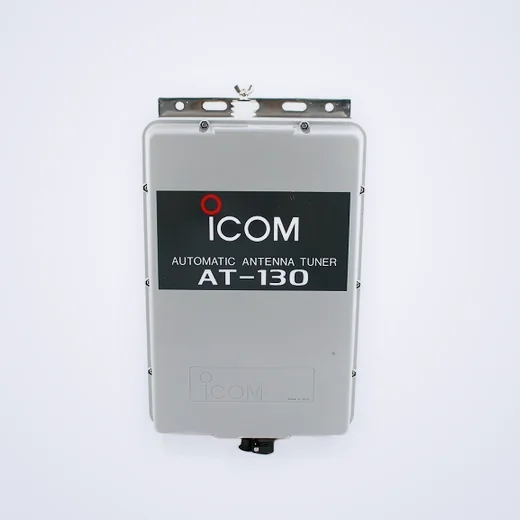
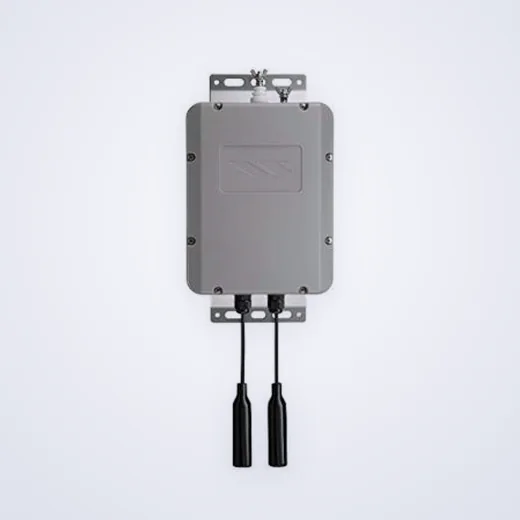
On short wavelengths, the antenna length almost never corresponds to the frequency, so an antenna matching unit is placed between the transmitter and the antenna. It adapts to each frequency and without it work is impossible.
The antenna matching unit is placed as close as possible to the base of the antenna, rather than near the station. The cable between the tuner and the antenna is a loss that can be avoided.
Grounding on HF is more important than VHF. Bad ground turns the antenna into a heater: power goes away, no communication. On a metal ship, the hull serves as the ground, the connection with it is made with a wide tire, not a thin wire.
The insulator at the base and all the wiring under it shall be clean and dry. The salt on the insulator is a leak that disrupts the tuner setting and manifests itself in wet weather.
Antenna input into the superstructure is a separate topic: it must be sealed and not pass near signal lines.
Receiving antennas and antennas of satellite receivers
The receiving antenna of the navigation receiver does not emit anything, but is extremely sensitive to the fact that it covers the sky. It is placed so that there is a minimum of metal above the horizon.
The active receiving antenna is powered by the same cable. The receiver usually recognizes the closure in the connector, but it is worth checking the circuit before the power supply is supplied.
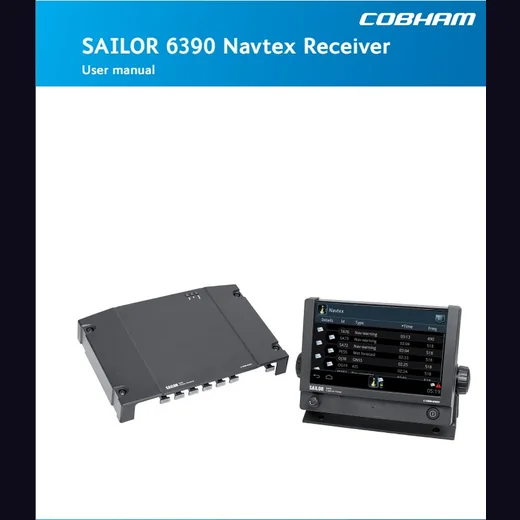
The receiving antenna of navigation broadcasting requires spacing with the transmitting antennas: it operates at low frequencies and is easily clogged with its own transmitter.
The general rule for all receiving antennas is that vertical spacing is better than the same horizontal distance.
Split, feeder and typical errors
Two antennas are always interfering with each other. The transmitter clogs the reception room, and the two transmitters can knock each other out of action. It is carried vertically and, where possible, horizontally.
The feeder is selected by the length of the track, not by the price. A thin cable on a long track consumes half the power and the same amount at reception.
The connectors are compressed and sealed. An open deck connector without a seal is the source of most failures through the season.
A water drain loop is mandatory wherever the cable enters the housing or appliance from below.
The most common mistake is an antenna placed where it is convenient for an installer: in the shadow of the mast, near the board itself, close to the radar. A two-meter transfer changes the picture more than any replacement of equipment.
What to Measure When You Pass and What to Measure Once a Year
Upon delivery: coordination at operating frequencies, separately at the edges of the range; ground resistance; actual communication distance with the correspondent, not "indications of the device".
Check mutual influence: turn on the transmitter and see what happens with the reception on neighboring devices - navigation receiver, receiver of navigation broadcasting, sonar.
Once a year: inspection of insulators and fasteners, salt cleaning, grounding connections, remeasurement of coordination and comparison with last year.
Record numbers. A reconciliation that was normal a year ago and is now gone is a signal of water in the cable or a crack in the insulator, and it is only visible by comparison.