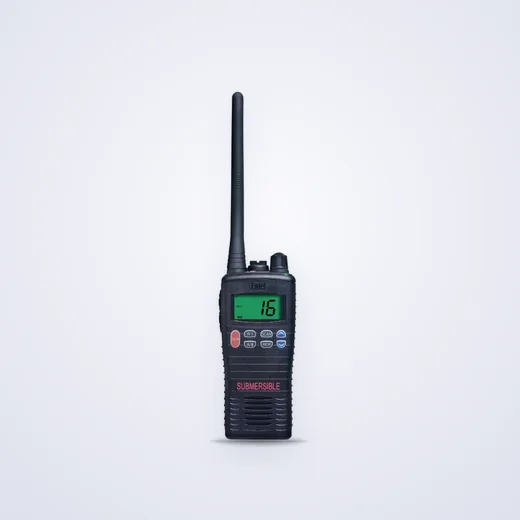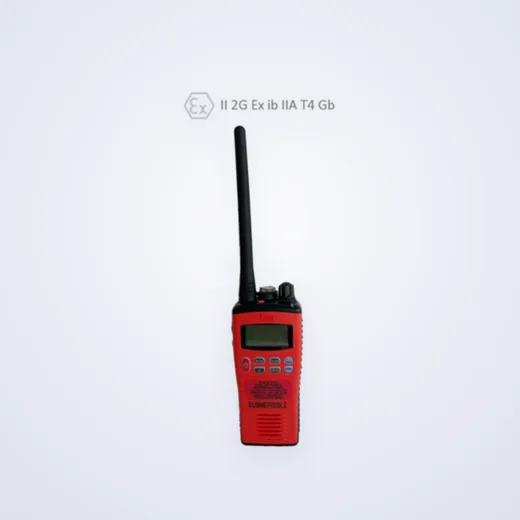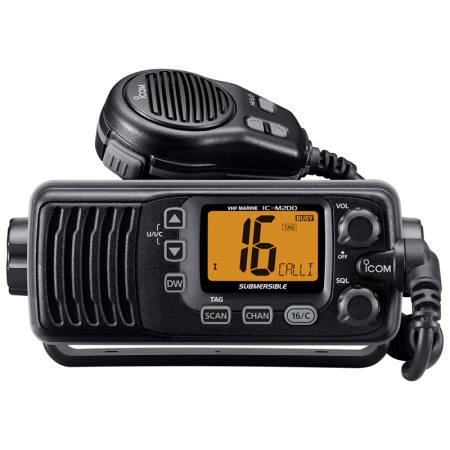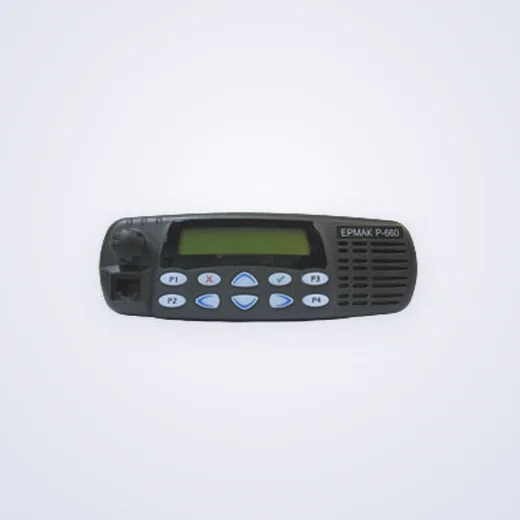
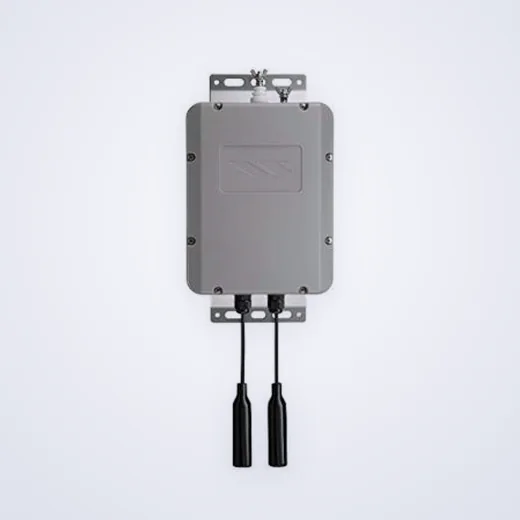
An HF station is rarely put in the same box: it is almost always a station, antenna and antenna matching unit in between. We understand what the tuner does, when it is mandatory and what miracles should not be expected from it.
What a tuner does
A short-wave antenna on a ship is almost always a compromise: the length is limited in size, and you need to work over a wide range of frequencies. At most frequencies, such an antenna for the station looks “uncomfortable load”, and the transmitter goes into defense or gives low power.
The antenna tuner coordinates this load with the station: adjusts the circuit so that the transmitter sees the usual conditions. The result is that the station gives power to the antenna, rather than heating the output cascade.
Tuner doesn't add power
That's the main misunderstanding. Harmonization allows pass It's power, but it doesn't create new power. If the antenna is short, hangs low and poorly grounded, the tuner will give a smooth CSV and mediocre range. It treats matching, not antenna physics.
Automatic or manual
On the ship almost always put automatic: the frequency change occurs in the work, and no one will twist the handles when called. Automation remembers settings by ranges and works out in a split second.
Compatibility is more important than characteristics
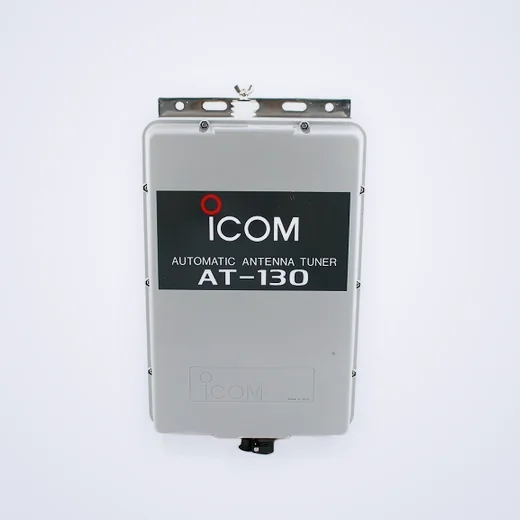
The tuner is selected for a specific station: it must have the same control interface. AT-130 It is designed for a bundle with Icom IC-78, FC-40 (CE) - VX-1400/1700. Put “any automatic” will not work: without a control line, it will not know that the station has changed the frequency, and will remain at the previous setting.
Where it's put
The tuner is positioned as close as possible to the power supply point of the antenna, rather than near the station. The reason is simple: the area between the tuner and the antenna works with mismatch, and the shorter it is, the less loss. The tuner body is connected to the marine mass by a short and wide conductor - on HF, a long thin jumper works poorly.
Typical errors
- The tuner is put in the cabin, and the antenna is on the stern: losses in the cable eat up the winnings.
- Grounding is made "on the screw of the body" through a long thin wire.
- The approval was checked on the same frequency and decided that the set is configured.
- The tuner was bought for another station - the control line did not work.
What to check before ordering
You need a model of the station, the type and length of the antenna, the location of the tuner and how the mass is made. According to this data, you can see whether a tuner is needed at all or the task is closed with the correct antenna.