NSI-1000: Own-vessel data
A new AIS station may show nearby vessels immediately. Before ordering an NSR NSI-1000, identify the data the system needs about own ship and where it comes from. The quotation can then include the required sources and retained connections. Acceptance can cover more than a photo of the target list.
Request a quote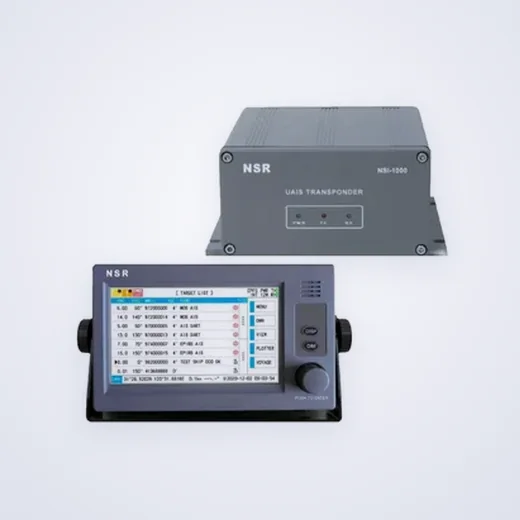
Define the data and purpose before selecting equipment
State whether the order is for a new station, an existing station with changed sources or a separate part of the system. List the required own-vessel data and equipment already installed. Identify known details and what a responsible specialist must confirm. A single line for an AIS package does not capture those differences.
Provide vessel information and details of connected equipment as two related parts of the specification. Use agreed customer documents for vessel data. List actual instrument models, functions and available documentation separately. Do not infer missing details from a vessel name, bridge photograph or generic example.
What the NSI-1000 documentation distinguishes
NSI-1000 manual UM.E 20230118-09 provides screens for own-vessel data and source status. EPFS is separate from UTC, SOG, COG, HDG and ROT status. A valid position source does not establish that the other data is available. Specify a source and an acceptance outcome for each required value in addition to checking that the AIS starts and shows targets.
Who provides the source information
The customer defines the station’s purpose and supplies verified information. The technical participant describes the sources and conditions for using their data. The supplier specifies the offered equipment, accessories and supply scope. An organisation can fill several roles, but the quotation should identify each role.
If a source marking is unknown or its documents are unavailable, leave the question open until it is resolved. Avoid adding an arbitrary instrument to the quotation. List retained components, their function and who confirms they can remain in the installation.
| Part of the specification | What to record before quoting | What the final specification shows |
|---|---|---|
| New equipment | Required units and agreed accessories | Exact items, condition and contents |
| Retained equipment | Source and line models and their purpose | Components retained after confirmation |
| Background information | Customer documents and open issues | Who supplies data and resolves open questions |
| Separate work | Required result and participants | Separate agreed scope |
This schedule does not provide a wiring diagram. It identifies gaps in the input information and helps compare quotations for the same requirements. An illustration of the transponder and display does not establish that all required antennas, cables and sources are included.
New purchase or a change of sources
For a new station, prepare a data map showing each required value, its intended source and where the agreed outcome will be checked. For a modification, add the previous configuration. A change to the heading or position source alone does not automatically require replacing the transponder.
Buying a new NSI-1000 does not establish that every old sensor is suitable. Review retained instruments against their designations and documents. Identify any changes in the source configuration before ordering, so unnecessary equipment and missing connections can be avoided.
What is handed over to the customer
Agree on what needs to be confirmed after supply and any contracted work. Checking supplied units establishes identity and contents. Checking the assembled station establishes the data and functions of the particular installation. Both results are needed where applicable.
For the own-vessel data path, identify where data comes from and agree on how its use will be verified. Confirm transmission of own-vessel messages separately using the agreed procedure. Other targets on the display do not verify it. Define who does each part and record the result for future equipment changes.
Complete supply against the agreed specification
Identify the NSI-1000, accessories, retained parts and any work separately in the quotation. Calculate the overall price for that scope. The catalogue price of one item does not establish the price of a complete station. Confirm availability, version, condition, documents and lead time for the order.
For receipt in Astrakhan, give the station scope and the receiving specialist’s contact. Identify the technical contact separately if the work is coordinated from Volgograd. For an Aktau customer with delivery to Atyrau, provide the country, address and organisation details. Delivery location helps arrange shipment. Models and source information define what is supplied.
If replacing an existing AIS, see our review of the replacement schedule. A change of heading source can be specified using the review of the NGC-3000 for multiple receivers. That is a separate equipment item and scope, and is not automatically included in the NSI-1000 price.
- Customer: vessel data and requirements
- Sources: models and retained connections
- Schedule: new items and responsible parties
- Handover: agreed result
Supply planning and responsibility diagram. It does not show wiring, data entry or radio exchange procedures.
Questions before buying
Is the whole station ready if the NSI-1000 displays nearby vessels?
Check reception of other vessels’ messages and readiness of the own-vessel data path separately. The result depends on the agreed equipment, sources and verification.
Do all data sources need replacing?
List retained instruments by model and purpose. Confirm their use separately. A new AIS does not require replacing every sensor or establish compatibility with all of them.
Why is the full station quoted on request?
Customers have different sources, retained units and accessories. Specify equipment and any work in one schedule. The transponder price does not cover the entire scope.
The main product in our catalog
NSR NSI-1000
Price on request. We agree on station equipment, retained devices, accessories, work and lead time in the quotation.
Request a quoteDocumentation: NSR NSI-1000 User Manual, UM.E 20230118-09. We confirm which provisions apply to the version on offer.