Server for SBOM generation and component checks
Before releasing a new application version, a company should know which software components actually made it into the delivery. A project spreadsheet can differ from the contents of a built container image. A local server can make processing the agreed images repeatable: inventory packages, match them against a known vulnerability database, and pass findings to the person responsible. The results inform decisions about a particular release and later updates.
Request a quote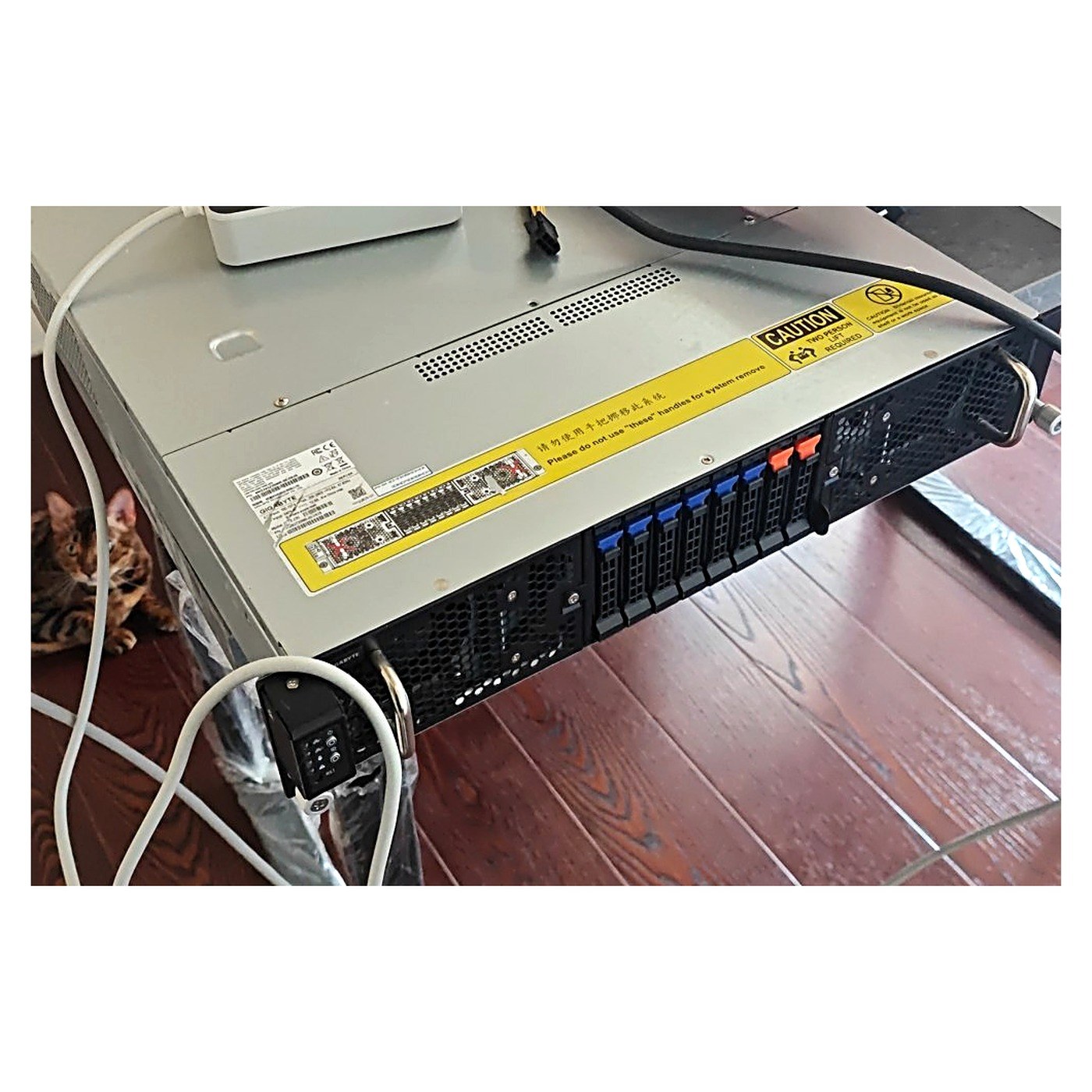
For this workflow, we can discuss the hardware platform AI Server Manager 256 and separate deployment services. “Superintelligence” is the name of SpectraTech's server business line. Inventorying packages with Syft and matching them with Grype do not by themselves require a neural network. The specification determines CPU, memory, storage, software, cost, and lead time. The number 256 does not specify RAM or VRAM capacity.
Tie the inventory to a specific image
Suppose a contractor supplies several containers for an internal service. The customer needs an inventory of the exact accepted release, followed by reassessment as new vulnerability information becomes available. Record the application, version, platform, source, and content identifier for each item. A mutable tag alone is insufficient because the same name can later refer to a different build.
Agree on the inputs and analysis scope before processing. A registry image, an exported archive, and a source directory are different inputs. Grant access to the selected company materials. Keep private registry credentials out of reports and hardware enquiries. Generating this inventory does not require running the production applications.
What an SBOM shows
Syft generates a software bill of materials, or SBOM, for container images, file systems, and archives. Its documentation covers native JSON, SPDX, and CycloneDX. Choose the format based on the system that will consume the result. Official Syft guide.
The meaning of a record depends on how it was discovered. A cataloger may find installed packages in an image and dependency declarations when scanning a directory. A version range in a file does not establish the actual version shipped. Record the scan scope and catalogers alongside the inventory. Syft catalogers.
In the pilot, check several known components and an agreed example with incomplete metadata. Acceptance should show where each component was found, where its version came from, and what remains unknown. Explicitly report skipped archives, excluded paths, and processing errors so they cannot be mistaken for a clean result.
Known vulnerabilities are a separate result
Grype can ingest an existing SBOM and match components against a known vulnerability database. This lets the team retain the release inventory and repeat matching as new information becomes available while keeping the original application build identifiable. Record the input identifier, tool versions, database date, and processing time. Getting started with Grype, vulnerability database.
Investigate each finding. Package type, distribution, installed version, advisory source, and available fixes all matter. Grype's documentation explains which sources it uses for each ecosystem and how CPE matching can produce false positives. The same package name does not establish the same status in two deliveries. Supported ecosystems.
The person responsible selects a response: update the build, verify the match, ask the supplier for information, or record a justified decision in the agreed system. A high severity score helps prioritize findings but does not replace assessing how the component is used. An empty report does not prove the application is secure, has no unknown vulnerabilities, or meets a customer's specific requirements.
How to size the server for the workload
Sizing requires image counts and sizes, scan frequency, archive nesting, inventory retention, and acceptable reporting time. Measure the agreed process on a representative sample first. Assess CPU, memory, storage speed, image downloads, and concurrent jobs separately. This task does not require a GPU, and the server name alone cannot justify buying accelerators.
The acceptance package includes input identifiers, a machine-readable SBOM, matching results, errors, and a record of decisions on findings. Test a repeat run as well. The specialist should be able to distinguish a change in application contents from a change in the advisory database. Automatically updating production services from report results is outside this workflow.
What to provide for a quotation
Provide the application and image counts, approximate sizes, formats in use, whether the registry is public or private, the operating window, and retention requirements. Use this information to agree on the platform, storage, network, software, integration, and acceptance process. An existing CPU server may be enough for a small workload.
Hardware, setup, support, and delivery are priced within the agreed scope. A quotation confirms supply options, price, and lead time for the destination in Russia or Kazakhstan, such as Moscow, Novosibirsk, or Astana. Delivery to a city does not imply a local branch or a ready-to-use service there.
Server and agreed software project
AI Server Manager 256
Price on request. The current listing covers spare-parts replenishment. SBOM generation and vulnerability matching are agreed separately. The specification and pilot determine the actual CPU, memory, storage, software components, and work. The quotation confirms availability, condition, and lead time.
Request a quoteRelated platform option: AI Server Manager 384. The number in the model name does not specify RAM or VRAM. Compare configurations based on their actual components and workload.
Primary sources are linked in the relevant passages. The Syft and Grype documentation does not establish that either tool is installed or has been tested on the proposed server.