Company GitLab: code, review, and traceable releases
The company has several internal applications and developers in different departments. Source code lives on workstations, changes are discussed in messages, and it is difficult to trace the latest build file to an accepted change. A self-managed GitLab instance can serve as a shared team service for storing code, discussing changes, viewing check results, and preserving a record of decisions. The hardware project must support this central service alongside separately selected CI runners and the agreed recovery arrangements.
Request GitLab and a server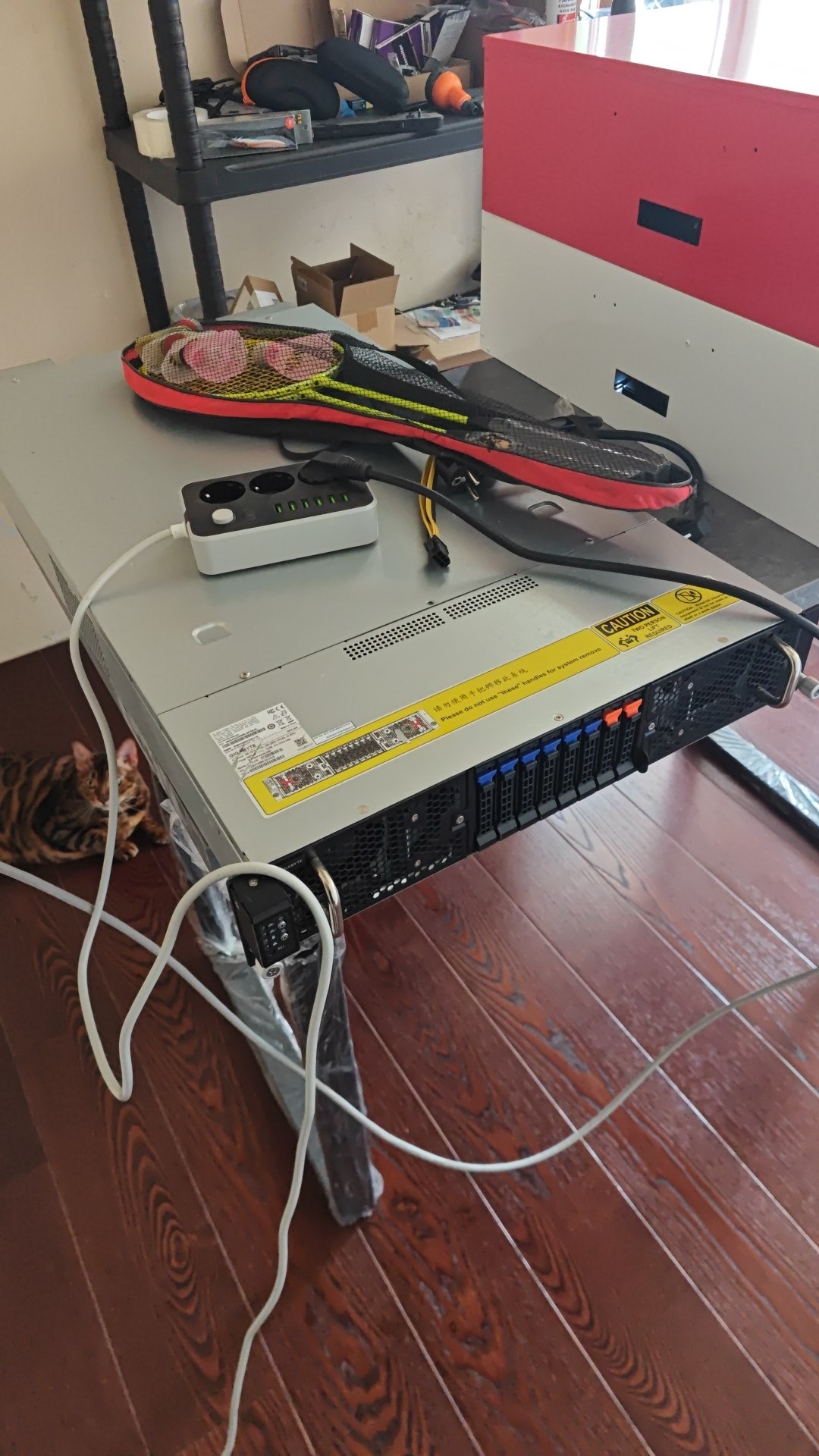
A project is more than a source directory
A Git repository stores code and its history, but in GitLab it is part of a project. The project also brings together members, discussions, merge requests, and workflow settings. For the first phase, select one application, a responsible owner, and a small team. Decide which existing repositories to migrate, which revision counts as the accepted starting point, and where any large supplementary files are stored. Repositories in GitLab.
Agree on the group and project structure before migration. A contractor may need access to just one application, while a support specialist may need read access to the accepted version. A shared developer account obscures accountability and makes personnel changes harder to manage. Define how to grant and revoke access, handle service keys, and use external authentication separately in the project. Keep production secrets out of commercial enquiries.
Each change gets a review that is easy to follow
A merge request brings together the proposed changes, discussion, commit list, and pipeline information. For example, a developer fixes order processing. The reviewer sees the diff, asks a question about a specific line, and receives an updated change. Team members need to know which revision a comment refers to and which version was actually accepted. How merge requests work.
Set the main branch rules separately: who can push directly, who can merge, and what approval is required. Check branch protection and required approval features against the selected version and subscription. Features available in one edition may not be available in another. Test acceptance with ordinary project member roles as well as administrator access. Protected branches.
CI runs in a separate, agreed environment
The central GitLab instance organizes the project, while GitLab Runner executes jobs in the selected environment. Define the operating systems, tools, and executor for the project. Docker, Kubernetes, and other options have different requirements. The runner gets access only to the agreed resources. A container alone does not demonstrate that arbitrary jobs are safely isolated. Executors GitLab Runner.
Specify resources for the central application and build machines separately in the proposal. A long compilation should not unexpectedly block discussions or repository access. Existing runners may be considered after reviewing their environment and permissions. Selecting a separate runner does not automatically give jobs access to the company's production servers. Agree on release deployment as a separate phase.
Link the accepted revision to the resulting file
In the acceptance example, a team member opens the accepted change, the associated commit, the check status, and the required output file. Distinguish a finished build from completion of the full set of checks. A skipped test or a manually approved exception should remain clear to the person responsible for the release. A successful pipeline does not guarantee that the application is free of errors.
A job artifact is tied to a particular pipeline. For outputs that must remain available afterward, GitLab also provides a package registry. The company sets retention, recipients, and the agreed release distribution method. A single archive on the runner's disk does not preserve the full state of the project. Artifacts and persistent packages.
Size the central service separately
GitLab's architecture includes a web application, PostgreSQL, background jobs, and repository storage through Gitaly. To size the system, gather the number and size of projects, user counts, LFS and attachment usage, change frequency, and concurrent operations. Test large repository reads, opening reviews, and recording results together. Select CPU, RAM, disks, and network capacity based on the pilot. The server name alone does not establish a GPU requirement. GitLab architecture.
Plan explicitly for growth in artifacts and auxiliary storage. The size of the source directory does not account for all service data. A single physical node remains a shared point of failure. High availability, additional machines, and acceptable downtime require separate architectural decisions. Purchasing a chassis does not establish that GitLab comes preinstalled or that builds will run at any particular speed.
Recovery restores the team's workflow
A Git clone does not replace a full GitLab backup. Include application data and repositories in the plan. Account for configuration, secrets, and external object storage according to the chosen deployment. The official standard backup procedure has exclusions. Recovery must restore more than source files: it must also restore discussions, permissions, and links from accepted changes to their outputs. Backing up GitLab.
The documentation requires the exact same GitLab version and edition for a restore. Record the environment details and test a full restore in a separate test environment. Acceptance includes reading the selected project, opening a merge request, verifying a role, and retrieving the agreed output. Plan upgrades separately. Restore requirements.
SpectraTech AI Server Manager 256 is a hardware starting point for discussing a new project. Price on request. The current product listing covers spare-parts replenishment, with GitLab agreed separately. “Superintelligence” is the name of a business line. The number 256 does not denote RAM capacity. The quotation specifies the hardware configuration, condition, availability, lead time, software terms, implementation, migration, and support. For delivery within Russia or Kazakhstan, provide the destination city and delivery address.
Server and agreed software project
AI Server Manager 256
Price on request. The current listing describes a spare-parts replenishment project. A central GitLab service for code, review, and project history is agreed as a separate software project. The specification and pilot determine the actual CPU, memory, drives, software components, and work required. The quotation confirms availability, condition, and lead time.
Agree on the platform and implementationRelated platform option: AI Server Manager 128. The number in the model name does not specify RAM or VRAM. Compare configurations based on their actual components and workload.
Primary sources are linked in the relevant passages. The GitLab documentation does not establish that GitLab is installed or tested on the server on offer. Agree separately on deployment, migration, runners, applicable subscriptions, and support.